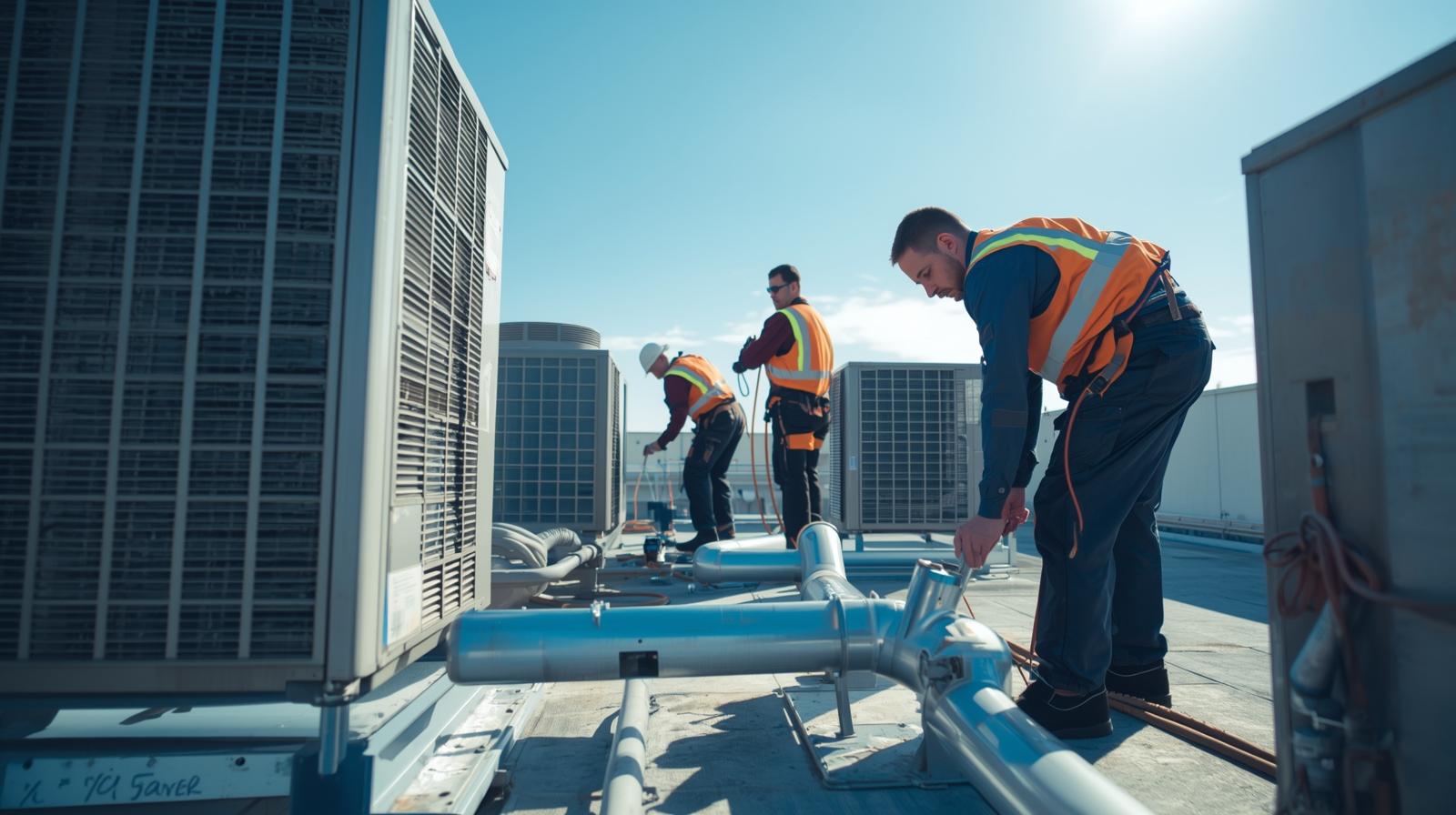
A rooftop unit that is down at 9 a.m. is not automatically a 9 a.m. repair. Hatch keys, roof access rules, lift rental, and whether the sales floor can be blocked often set the real window. Facilities teams that ignore access write work orders the crew cannot start.
At Garrett Mechanical, packaged equipment and related service live under commercial HVAC and rooftop units and split systems. Preventive work still needs the same access notes as a failure call. See preventive maintenance.
Put access on the asset row, not in someone's head
Write how you get on the roof: interior hatch, exterior ladder, lift, or adjacent building. Note who holds keys, whether a second person is required, and any landlord or insurance rule about fall protection. A store manager who left at 6 p.m. with the hatch key is a missed window, not a no-show.
Replacement projects already need this file. Replacing rooftop units starts with an asset list for a reason. Access belongs in the same row as model and serial. Roof lighting and storm-week constraints are in rooftop access, lighting, and storm-week maintenance.
Hours and occupancy decide labor more than mileage
A restaurant that cannot close the kitchen Saturday night is a different job than a warehouse with flexible downtime. A retail store that will not block an aisle for a lift is a different job than a closed school. Put operating hours and blackout dates next to the unit tag.
Peak cooling failures still follow the same access rules. Temperature-split notes during humidity are in rooftop cooling air temperature split. Filter and coil work still needs a path to the unit: packaged unit filter and coil checks.
Electrical and drains share the roof
Disconnect condition, control wiring, and condensate drains change both scope and how long the unit must stay off. Light electrical support lives under light electrical. Drain and leak issues that appear once a pan overflows belong with plumbing rather than another thermostat reset.
Multi-trade coordination keeps three vendors from stacking on one hatch: multi-trade coordination. Portfolio naming still matters so the next site uses the same roof-access fields: same asset names at every location.
What to send before dispatch
Send hatch photos, a note about keys, lift restrictions, store hours, and the unit tag. Mention storm or wind limits if the roof is coastal. National brand and regional multi-site accounts should use the same access fields in every state.
Closeout after a visit should confirm whether access notes were current. Documentation lives in facility service documentation and closeout. Coverage is on the coverage map. Contact us at (904) 822-3339 or hello@garrett-mechanical.com, or submit a service request. An incomplete access note still beats a work order that assumes the roof is always open.