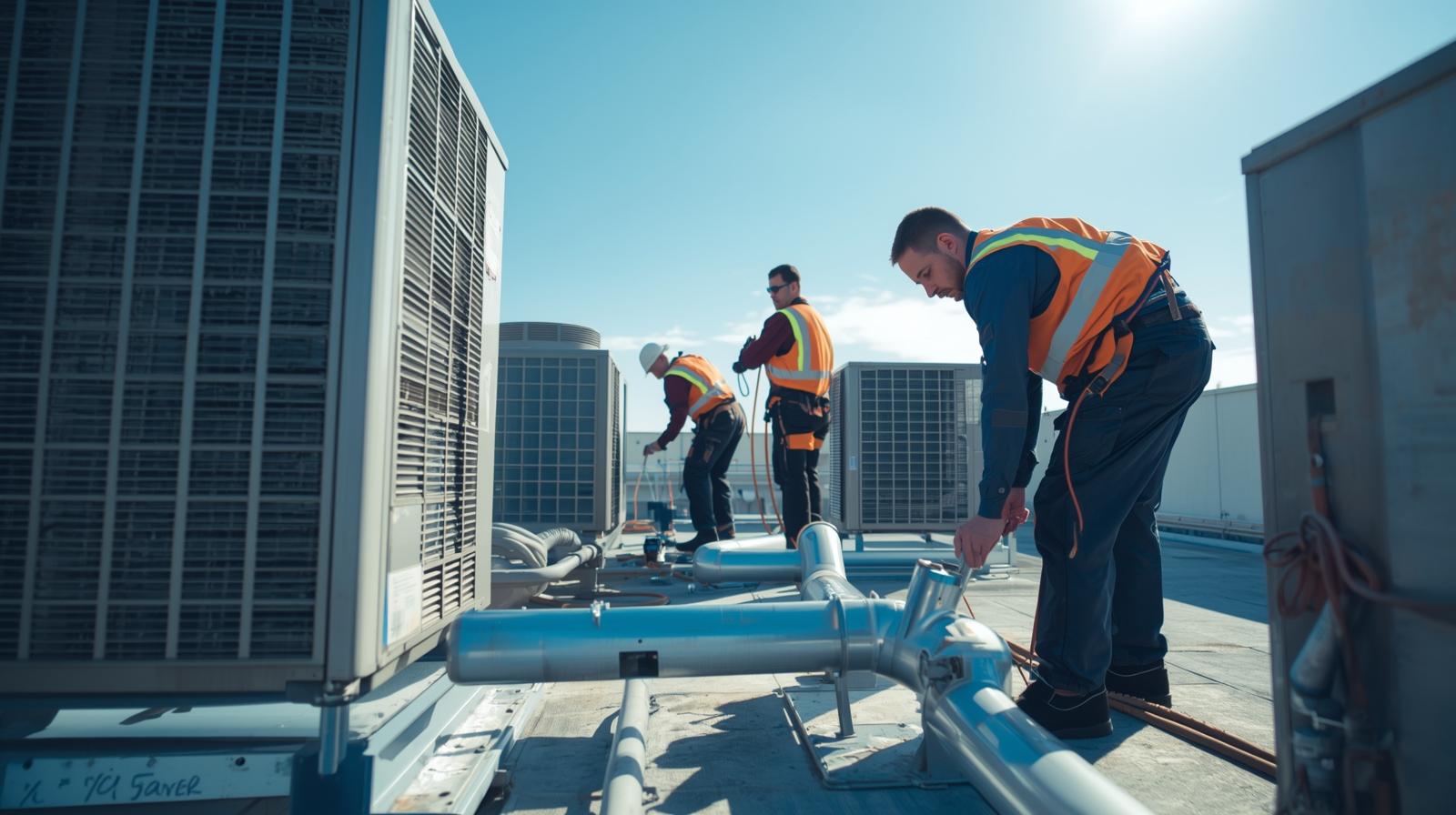
After a summer of repeat failures, facilities teams often push to replace rooftop units fast. Ordering equipment store by store without a shared asset list usually creates the next problem: wrong tonnage, surprise roof access limits, missing electrical data, and no clear priority order across the portfolio.
At Garrett Mechanical, we support multi-site operators through commercial HVAC repair, replacement, and preventive maintenance. The replacement conversation goes smoother when every location already has the same basic record.
Build one row per rooftop unit, not one story per store manager
Start with store number, address, unit tag, manufacturer, model, serial, approximate age, and nominal tonnage. Add roof access notes, curb or platform type if known, electrical characteristics from the nameplate, and the last three repair events.
That list does not need to be a fancy software platform on day one. It does need identical column names across every site. A portfolio cannot be managed from technician memory alone, especially when regional multi-site and national brand accounts span multiple states.
Repair history tells you which replacements are urgent
Two ten-year-old units are not equal if one has a clean maintenance record and the other has three compressor calls in two summers. Priority should follow failure pattern, parts availability, and business impact, not only age.
Pull work orders before you ask for a capital quote. Note temporary repairs that were never converted to permanent fixes. Separate emergency restoration from planned replacement on paper so approvals stay clean. Related coordination themes sit in multi-site mechanical service structure.
Roof access and schedule constraints belong in the same file
A unit is not replaceable on the day the crane can arrive if the site still lacks roof hatch keys, landlord rules, overnight work limits, or a clear path for equipment staging. Capture those constraints beside the nameplate data.
Store hours matter. A retail site that cannot close the sales floor needs a different replacement window than a warehouse with flexible downtime. Put the operating calendar next to the asset row before anyone prices labor.
Controls and electrical notes prevent change orders
Thermostat type, building automation tie-ins, disconnect condition, and circuit data change both scope and lead time. Light electrical support for disconnects, controls, and related devices lives under light electrical when the HVAC swap is not the only trade on the roof.
Do not assume the new packaged unit will drop onto the old curb without a field check. Photograph curbs, transitions, and clearances during a maintenance visit while the unit is still running. Those photos are cheaper than a surprise fabricator delay mid project.
Rank sites, then stage purchases
Once the asset list is complete and current, rank replacements by risk and business impact. Buy in waves that match lead times and crew capacity rather than scattering single-unit orders with no sequence. Preventive maintenance on the units that will stay another season should continue through preventive maintenance so the capital wave does not create a neglect wave elsewhere.
Facilities and vendor-management partners need the same closeout discipline after each install: model and serial of the new unit, photos, startup readings, and updated asset rows. Documentation expectations are covered in facility service documentation and closeout.
How we help portfolios move from list to schedule
We can help gather nameplate data during service visits, normalize the asset file, and turn priority units into a replacement plan that matches coverage across our territory. See the coverage map and facilities vendor management pages when consolidating work.
Multi-trade needs that appear during a rooftop project, from condensate drains to disconnects, can route through multi-trade coordination instead of opening three unrelated vendor tickets.
Facilities teams can contact us at (904) 822-3339 or hello@garrett-mechanical.com, or submit a service request online. Bring the asset list you have, even if it is incomplete. An incomplete shared list beats fifty complete stories that do not match.