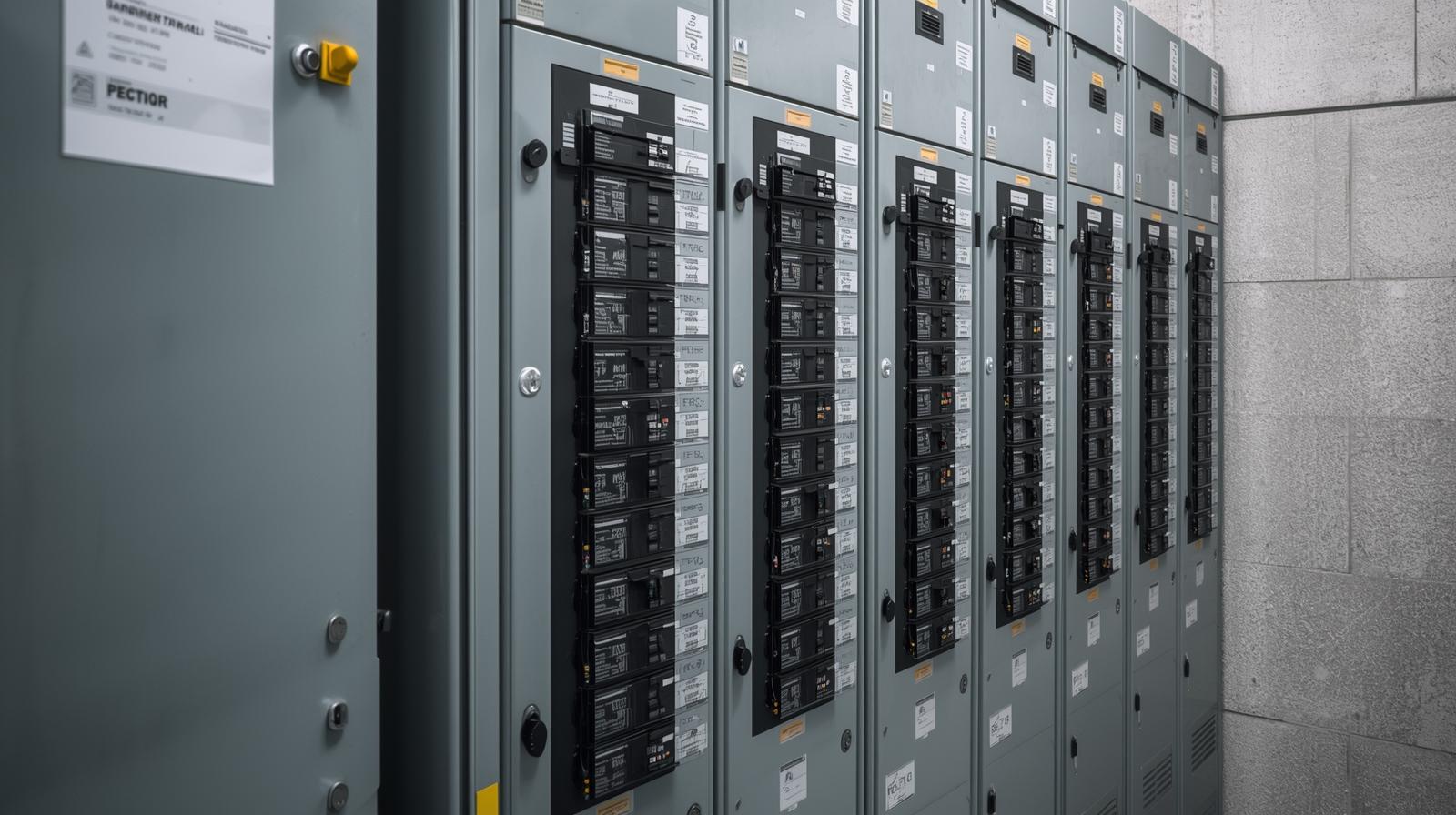
A generator that carries running HVAC may still fail when the well pump and compressor call start within the same minute. Nameplate horsepower on the outdoor unit describes steady operation, not the inrush when multiple motors queue during an outage.
Garrett Mechanical reviews connected loads through electrical service and storm readiness visits documented alongside emergency service. This article separates catalog kW from sequence reality for facility and residential decision makers.
Nameplate HVAC is not the whole outage picture
Outdoor condenser and air handler nameplates describe motor size under normal utility power. Standby sets must account for compressor start, indoor blower ramp, and any crankcase heater that remains energized when the transfer switch moves.
Well pumps on rural coastal sites can equal or exceed HVAC start draw for a few seconds. A generator sized only on running amps may start the house fans while the pump never reaches speed, which shows up as low pressure rather than a tripped breaker.
Coastal humidity corrosion on lug torque can change resistance on the same nameplate year over year.
Sequence matters more than a single largest motor
Automatic transfer equipment may energize HVAC, domestic well, and lighting branches in a fixed order. If two large motors share a step without staging, voltage dip can stall both even when each motor alone is within generator capacity.
Exercise logs from generator exercise records should note which loads picked up and whether voltage recovered before the next step closed.
Time-stamped video beats memory when multiple staff rotate through weekend duty.
Fuel type and regulator capacity follow electrical math
Propane and natural gas sets derate at altitude and temperature extremes common to late-season coastal cold snaps. Electrical sizing conversations should reference manufacturer derate tables, not only brochure kW at seventy degrees.
Tank volume and line sizing belong in the same review when well pumps must run through multi-day outages. Fuel planning pairs with shoreline generator and panel storm prep.
Regulator vent icing reports belong beside electrical readings on the same form.
Utility coordination and meter equipment
Service entrance upgrades sometimes precede generator work when the existing meter socket cannot support a monitored transfer switch. Utility make-ready timelines should appear in project schedules before ordering genset hardware.
We document which circuits remain on utility only versus standby so remodel work does not accidentally land critical loads on the wrong leg.
Meter upgrades scheduled for spring should appear on the generator project Gantt before equipment orders.
What facility logs should capture
Start attempts should record outdoor temperature, fuel pressure reading where available, transfer time delay, and whether well pressure recovered within specification. Photos of data plates on pump and HVAC equipment speed repeat visits.
Multi-site operators benefit from the same load name at every address, similar to HVAC asset naming in multi-site preventive maintenance.
Pressure tank drawdown rate during a simulated outage clarifies whether delay staging is acceptable.
When resizing is warranted versus staging
Staging well pump start behind HVAC completion may avoid upsizing when pressure tanks and controls allow a short delay. Not every site can accept delayed water during an outage, which is a business decision rather than a code default.
Locked-rotor measurements taken during a controlled exercise narrow whether staging, soft-start, or larger generation is the narrower path.
Soft-start kits on well pumps may change the decision tree when generator headroom is within five percent.
Scheduling a load review
Bring one-line diagrams or panel schedules if they exist, plus the last exercise log and any prior surge or transfer complaints. Note whether the property uses municipal water, a shared well, or individual submersible pumps.
Contact (904) 822-3339, submit a service request, or review coverage before storm season compresses install calendars.
Prioritize sites with medical storage or lift dependencies when ranking load review appointments.
Documentation that survives staff turnover
Southeast coastal sites share storm calendars that compress both utility make-ready and generator exercise windows into the same weeks. Treating electrical readiness as a single plan across sizing, transfer timing, and fuel reduces conflicting advice from separate vendors.
Garrett Mechanical documents storm electrical work so facility leads can compare year-over-year test values instead of relying on memory after staff turnover. Written closeout belongs beside permits, insurance packets, and landlord reporting folders.
Browse the knowledge base, coverage map, and facilities vendor management resources when planning multi-site consistency. Call (904) 822-3339 or submit a service request when measured values—not assumptions—should drive the next decision.
Disclaimer: This article is for general informational purposes only. It is not professional advice, a quote, or a service agreement. Conditions at your home or property may differ; contact a qualified professional for an on-site evaluation before making repair, safety, or spending decisions.