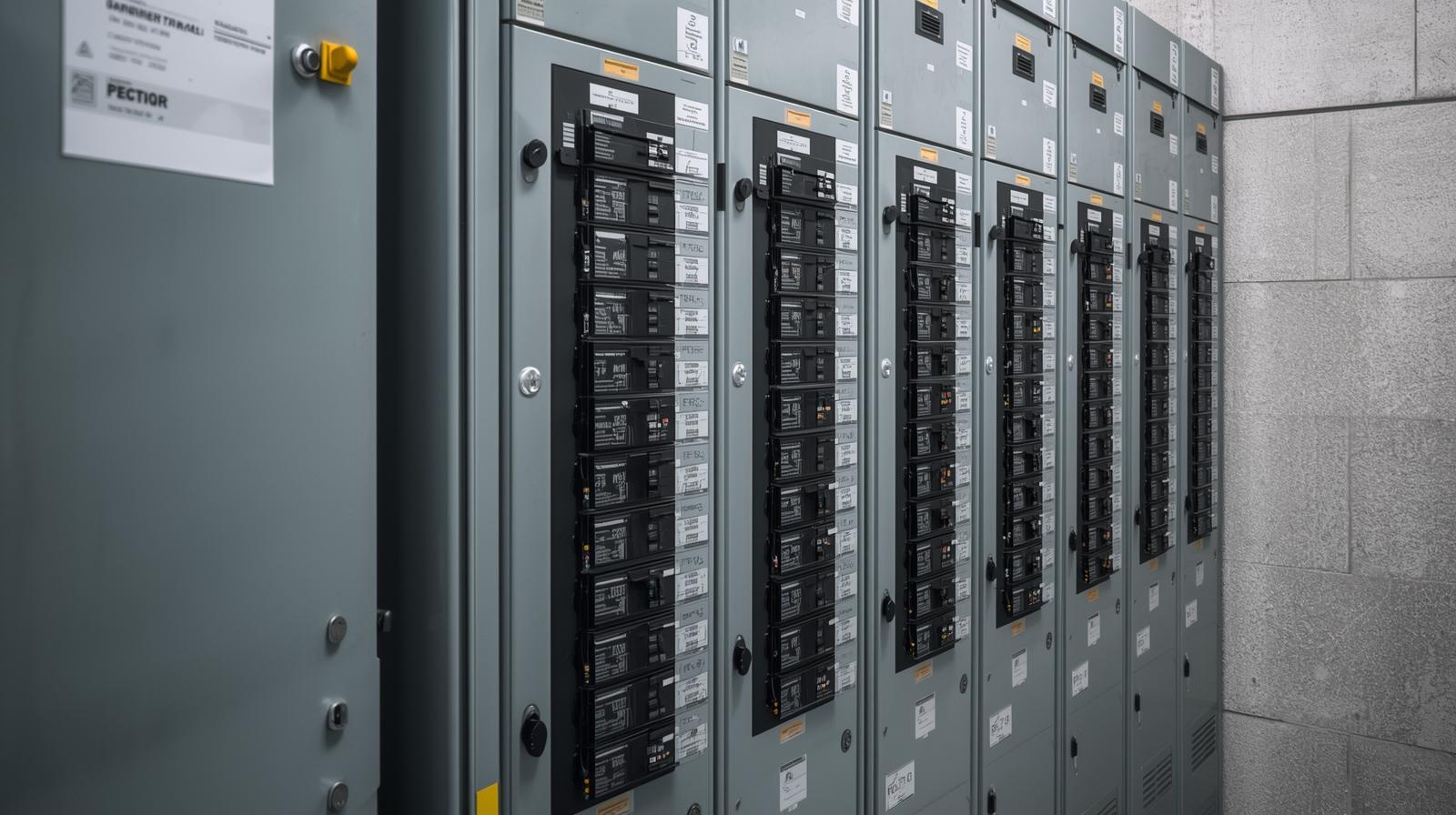
Shoreline properties in the Southeast live with a stacked calendar: salt air, afternoon storms, rising cooling load, and outdoor equipment that did not exist on the original single line. Mid-May is when facility teams can still walk roofs and yards in daylight, exercise transfer equipment without a named storm on the radar, and fix panel and outdoor load stories before humidity makes every electrical room feel louder. This guide is for property and engineering staff who need a practical pass without pretending to be the licensed engineer of record. It pairs with Garrett Mechanical safety and outage prevention work and with facility inspections when you want vendor-owned tasks on a steady rhythm.
If symptoms might be electrical, mechanical, or mixed, start with the late April electrical priority quiz so this shoreline pass lands on the correct owner. If people are in danger, smoke is visible, or you smell strong burning insulation, follow your emergency plan first.
Generators and transfer paths that must read the same on paper and in the field
Coastal sites mix engine generators with automatic transfer, critical branches only, portable plans, and tenant gear that never appears on your master drawing. Write the plain-English version in three sentences: what energizes during an outage, what stays dark, and who may operate transfer equipment. Attach vendor names, contract numbers, and fuel storage rules so a midnight call does not begin with email archaeology.
Compare that narrative with commercial backup power readiness and with safety and outage prevention scope language so your request matches how crews engage existing buildings. Note which panels are life safety, which are convenience, and which are not on emergency power at all. That clarity prevents duplicate tickets when HVAC and electrical both respond to the same warm room after hours.
Exercise logs only help when someone responsible signs off with a date, witness name, loaded or no-load status per your program, and any alarms that cleared after reset. Keep one page visible for security: normal exercise day, who must be present, and what to do when an alarm does not clear. Shoreline noise and tenant notice windows belong on that page as much as fuel type does.
Panels and breakers when cooling and salt air share the same week
Shoulder season is when compressors and exhaust fans join continuous cooling load next to electrical rooms that already run warm. A nuisance trip that was easy to reset in March can look like a crisis in May because amp draw rose on the same feeder that serves outdoor loads added since last year. Before you authorize more mechanical tweaks, brief dispatch using panel and breaker issues language and bring load schedules, recent change orders, and any additions that shifted draw since the last study.
If symptoms move across feeders, route one ticket toward electrical troubleshooting rather than opening parallel cosmetic lighting jobs. Warm handles reported during authorized checks, directories that no longer match field breakers, and trips under modest lighting load all deserve their own lane. Photos of labels and trip times beat adjectives on the work order.
Read commercial electrical safety inspections before you invite vendors so your request lists panels, rooms, and transfer devices you want included, plus areas that stay off limits until a shutdown window exists. Attach event calendars so proposed dates survive real occupancy instead of being moved three times when beach-season traffic peaks.
Outdoor loads that changed since the last calm May
Shoreline campuses add EV chargers, heat-pump condensers, marine-style lighting, signage, and seasonal kitchens that never appeared on the original load study. Walk the perimeter after a storm and note new conduits, extension cords that became permanent, and equipment mounted where salt spray is worst. Outdoor loads often share feeders with interior convenience branches; a trip at the dock can be a symptom at the panel two buildings away.
Apply the same discipline as April LED controls and night sweeps when façade and parking scenes changed since last fall. Drivers, scenes, and photocells that disagree with security patrol routes create after-hours tickets that look like panel failures until someone walks the actual circuit path.
If exterior work is active, coordinate with multi-trade coordination so electricians are not third in line behind roofing and HVAC in the same alley. List which corrections you can accept during occupied hours and which require after-hours labor so quotes match shoreline access reality.
Roof water, yards, and electrical rooms that share storm week
Heavy rain on the coast rarely stays on the roof. Leaders, scuppers, and site grading push water toward yards, loading docks, and pad-mounted gear. Use storm water on the roof as a walk script the same week you review transfer equipment so standing water near outdoor disconnects is not discovered only after a trip.
Properties in Florida and South Carolina often schedule roof and electrical passes back to back before named systems tighten vendor calendars. Pair exterior checks with preventive maintenance rhythm so photos from May survive insurance and leadership reviews in August.
Egress lighting when transfer equipment actually runs
Storms and exercises are when exit paths tell the real story. Use emergency exit lighting monthly checks as a script for what to photograph and how to describe contrast issues without turning guesses into code commentary. Cosmetic lighting repair and replacement should not outrun life safety fixes you already know about from failed quick tests.
If finance wants a parallel savings story, keep ROI framing for LED upgrades in the same packet so capital and operations read one narrative. Shoreline properties benefit when night photos include glare toward waterways and parking aisles security actually drives.
When to open emergency electrical versus readiness work
Active arcing, strong odor from electrical rooms, repeated loss of critical circuits, or egress paths that fail your night standard belong on emergency electrical service language with access notes and recent photos attached. Readiness work—exercise logs, labeling, outdoor load inventory—belongs on a calendar ticket with dates leadership can see.
Skim what to have ready before you call so the first truck sees the same facts your security desk saw. Mixed comfort and power complaints on large campuses may still need the facility first path quiz so HVAC and electrical do not open conflicting stories in the same mechanical room.
Documentation that survives a real storm week
Store photos, vendor PDFs, and signed checklists in the folder your insurer or corporate auditor already expects. Add a cover memo that states what changed since last season and what you deferred with a revisit date. Include a one-line summary of what is not on emergency power so future staff do not assume the entire shoreline building transfers together.
When you are ready for field help, contact Garrett Mechanical with building address, normal hours, transfer equipment location, outdoor load additions since last May, and the top three questions this guide surfaced. Clear context respects your programs and the real geography of the property—especially when one coordinator covers several coastal sites and cannot afford a second discovery day before storm headlines return.