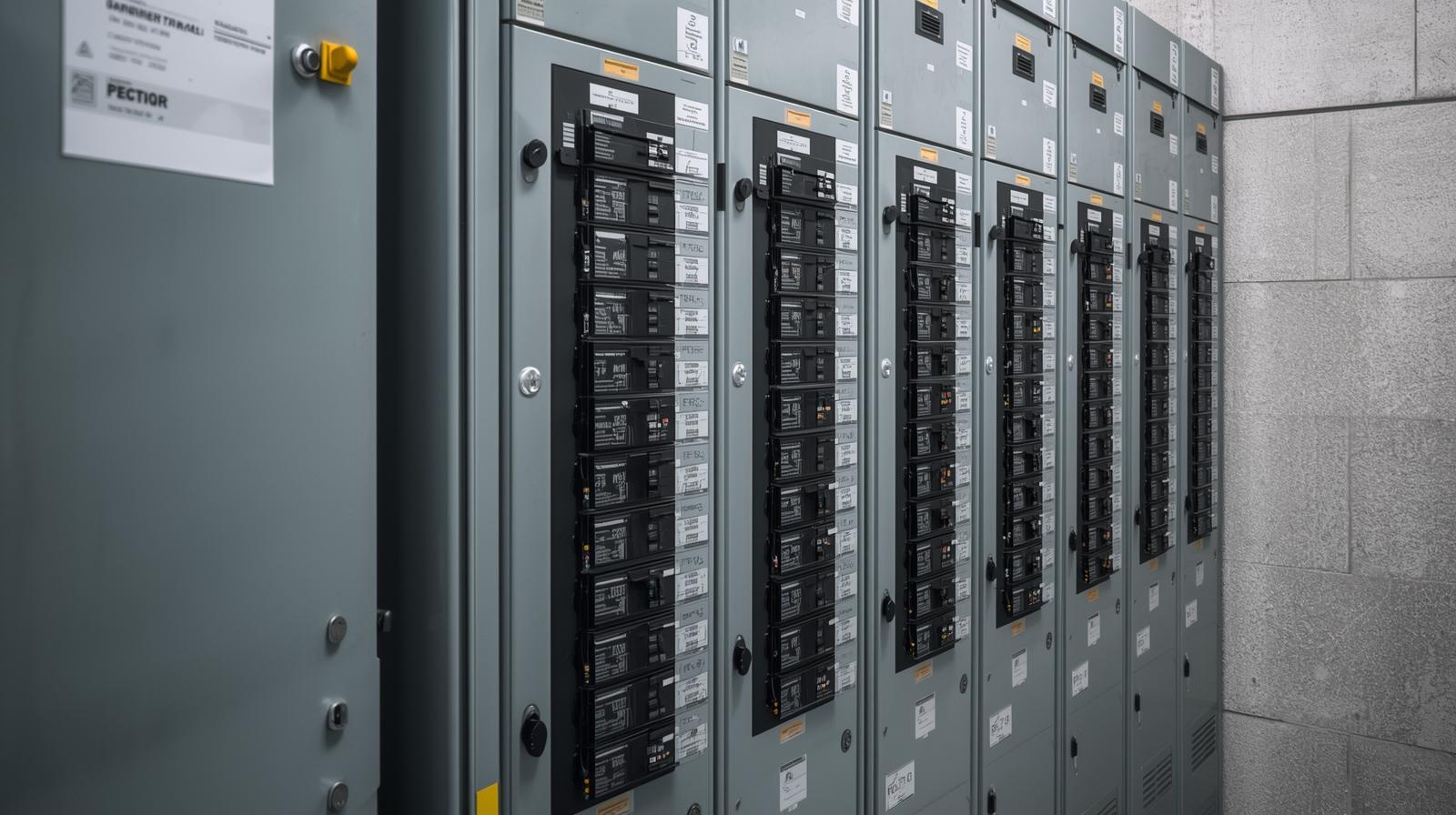
Late April and early May sit between pollen-season HVAC load and the first serious heat that makes every latent electrical story louder. Occupants notice flicker, security asks about dark corners, and your logbook fills with half descriptions that could be panel behavior, lighting controls, upstream utility events, or a combination that arrived the same afternoon. This quiz is a sorting tool, not a remote diagnosis. It points your first call toward Garrett Mechanical electrical paths already published on this site so Monday work orders carry clearer language than power acting weird.
Garrett Mechanical provides light commercial electrical alongside heating and cooling, plumbing, and general maintenance for existing buildings across the Southeast and Mid-Atlantic. If people are in immediate danger, smoke is visible, or you smell strong burning insulation, follow your emergency plan and involve public emergency services when that is the correct step. Nothing here replaces licensed work inside energized gear beyond what your policy allows.
Why electrical triage gets messy in the shoulder weeks
Shoulder season is when mechanical load rises next to electrical rooms that already run warm. A nuisance trip that was easy to reset in March can look like a crisis in May because cooling compressors and exhaust fans are online at the same time. Facility teams often inherit tickets written by tenants who use different words for the same symptom: flicker, surge, brownout, or the lights feel tired. Your job before dispatch is not to prove root cause from a desk; it is to choose which lane deserves the first truck and which observations will still matter when a licensed partner arrives with a meter.
Answer for the building you are responsible for this week. If you manage several sites, run the quiz once per property because symptoms that look identical on paper often trace to different feeders once a technician is on site with history. Portfolio coordinators who batch every property into one generic electrical ticket usually pay for duplicate visits when the second site needed lighting scope, not panel work.
Think about the next five business days as you choose answers. The quiz does not pick your vendor for you. It suggests which category deserves the first phone call or calendar block: stabilize an active risk, center panel and troubleshooting work, prioritize lighting and visibility, or invest a quiet week in backup and inspection readiness. Each result points to pages that already live here so you can move from a hunch to a concrete next step without guessing at URLs.
What to have nearby before you click through
You will answer faster if you skim recent notes first: last breaker trip time, whether exits passed a quick test, whether exterior scenes changed after a vendor push, and whether leadership asked for storm documentation rather than active repair. None of that is graded; it simply keeps your instincts honest when two answers feel close. If two answers still tie, pick the one that would change how you brief a director in under a minute—that is how the scoring is designed.
For dispatch preparation, what to have ready before you call shortens the first conversation when you already know which path you chose. If your result points to readiness rather than active repair, treat the next week as documentation time: exercise dates, transfer access, and photos that leadership can review without opening energized gear beyond your policy.
Four questions about this week
Pick one answer per question. If two feel close, choose the one that would change how you brief a director in under a minute.
Your suggested first path
Lead with urgent electrical response. When occupancy, egress, or obvious equipment risk is in play, the week belongs to stabilization and clear documentation. Your role is to keep people safe within your training limits, isolate what you can, and route licensed help without turning the ticket into a guessing chain.
Next steps: open emergency electrical service language so your request matches how dispatch triages severity, then gather access, single line references if you have them, and recent photos before you call. Skim what to have ready before you call so the first truck sees the same facts your security desk saw. After the event, keep notes aligned with finance and insurance expectations rather than memory alone.
Center panel and troubleshooting work. Recurring trips, warm handles reported by authorized staff, and mismatched directories usually need a disciplined panel story before more lighting tweaks hide the real limit.
Next steps: align vocabulary with panel and breaker issues and bring load schedules, recent change orders, and any mechanical room additions that shifted amp draw since the last study. If symptoms move across feeders, route the same ticket toward electrical troubleshooting rather than opening a second cosmetic lighting job.
Prioritize lighting and visibility work. When complaints cluster around scenes, drivers, exit contrast, or parking coverage, the fastest win is often a lighting plan that ties controls to what people actually see at night.
Next steps: route functional fixes through lighting repair and replacement, then align life safety language with emergency exit lighting monthly checks so exit contrast and general scenes are not argued on separate tickets.
Invest the week in backup and inspection readiness. Quiet weeks are when exercise logs, transfer device access, and inspection photos earn their keep. Storm headlines arrive faster than vendor calendars open.
Next steps: read May backup power readiness next to safety and outage prevention scope on your site, then schedule depth using commercial electrical safety inspections as the inspection mindset—not as a substitute for your engineer of record.
This quiz supports triage only. It does not replace arc flash programs, insurance conditions, or jurisdiction specific code questions your engineer of record should own.