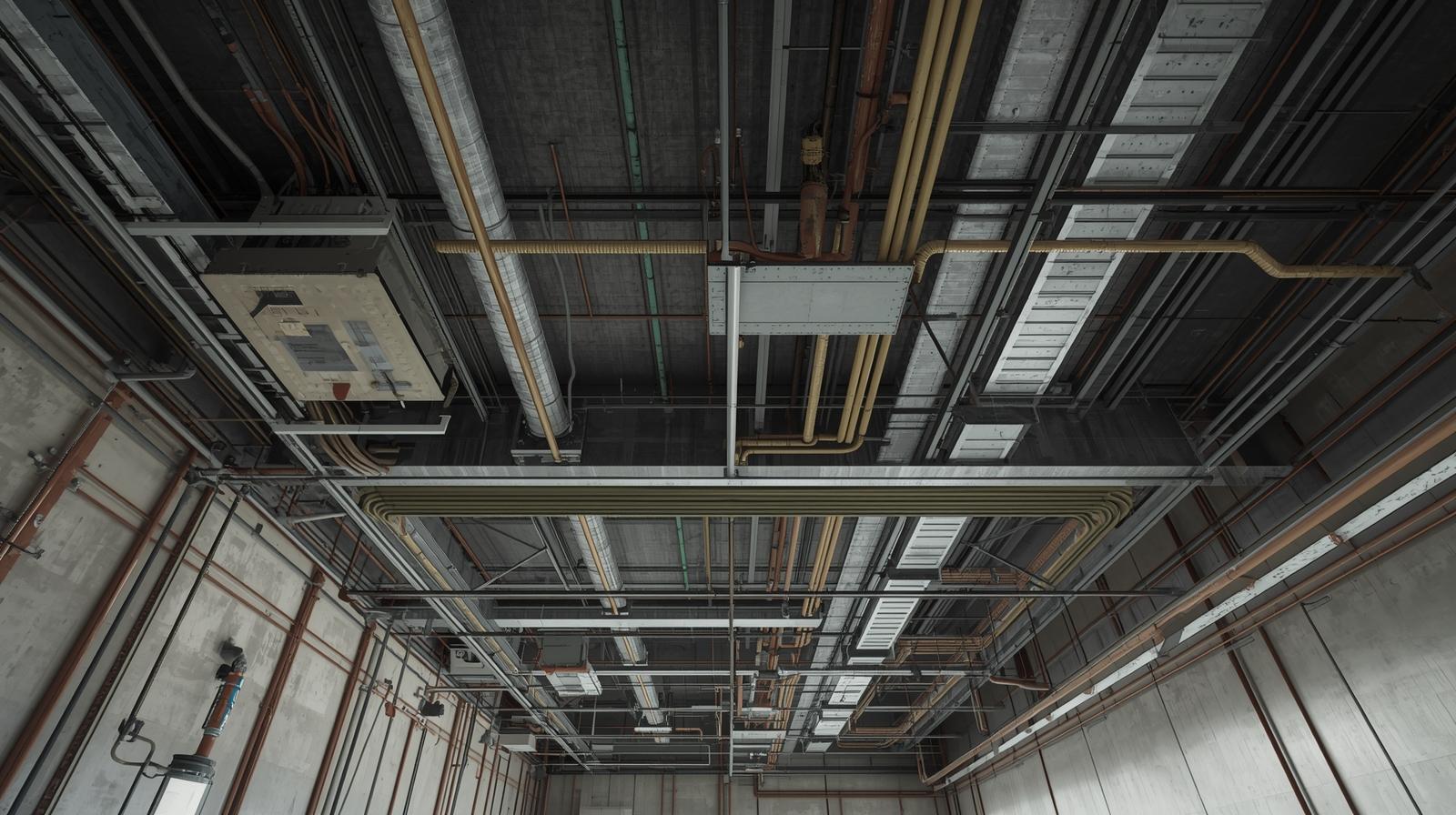
Facility timelines that treat the service entrance as a one-day task often underestimate trench, pole, or transformer lead times common on coastal feeders.
Garrett Mechanical coordinates field work with documented utility milestones through electrical construction and landlord communication channels.
Make-ready versus in-building work
Utility providers define which party sets the new meter, anchors the socket, and energizes the service. Local practices differ between municipal and cooperative territories across Georgia and neighboring states.
We separate contractor tasks from utility tasks on the schedule so owners see true critical path dates.
Soil resistivity changes after flooding may affect grounding upgrades tied to service work.
Parallel generator and service projects
Installing a transfer switch on obsolete service gear may fail inspection when the socket cannot accept the required overcurrent protection. Upgrades may need to precede rather than follow generator set placement.
Temporary power strategies during upgrades should name which loads stay on utility only and for how long.
Utility online portals sometimes show crew assignment dates earlier than phone agents quote.
As-built and easement records
Underground routes crossing parking or marsh edges may trigger easement review when ampacity increases. Records from prior storms help show where conduits already flooded.
Shoreline properties should reference shoreline storm electrical prep when entrances sit in flood-adjacent zones.
Meter relocation for parking expansion frequently drives upgrade scope beyond ampacity alone.
Landlord and tenant notification
Shared meters require written notice before planned outages for socket swaps. Tenant equipment on emergency branches needs staged shutdown windows.
Documentation templates in facility service closeout apply to upgrade outages as well as repairs.
Tenant generator prohibitions in lease text should be checked before designing paralleled gear.
Inspection and commissioning sequence
Authority having jurisdiction inspections may lag utility energization. Reversible loads should not be placed on new gear until both sign-offs are recorded.
First energization checklists should include phase rotation verification for rooftop and well equipment.
Switchgear delivery lead times may exceed in-house rough-in duration; order gear early.
Cost scope boundaries
Quotes should state whether trench, core drilling, or asphalt restoration sit inside electrical scope versus general contractor scope. Ambiguity here delays storm-season readiness.
We document assumptions about existing gear reuse versus full replacement before work starts.
Insurance may require photos of new entrance before energization; include that in the photo list.
Plan an upgrade consult
Bring current service size, desired load growth, and any standby equipment already on site. Include utility account numbers when available.
Call (904) 822-3339 or submit a request to align in-house and utility calendars.
Storm hold windows from utilities should be on the Gantt as hard constraints, not footnotes.
Documentation that survives staff turnover
Southeast coastal sites share storm calendars that compress both utility make-ready and generator exercise windows into the same weeks. Treating electrical readiness as a single plan across sizing, transfer timing, and fuel reduces conflicting advice from separate vendors.
Garrett Mechanical documents storm electrical work so facility leads can compare year-over-year test values instead of relying on memory after staff turnover. Written closeout belongs beside permits, insurance packets, and landlord reporting folders.
Browse the knowledge base, coverage map, and facilities vendor management resources when planning multi-site consistency. Call (904) 822-3339 or submit a service request when measured values—not assumptions—should drive the next decision.
Measured field notes from prior visits should travel with the property when ownership changes. Screenshots of controller settings and labeled panel photos reduce repeat discovery fees on the next call.
Measured field notes from prior visits should travel with the property when ownership changes. Screenshots of controller settings and labeled panel photos reduce repeat discovery fees on the next call.
Measured field notes from prior visits should travel with the property when ownership changes. Screenshots of controller settings and labeled panel photos reduce repeat discovery fees on the next call.
Measured field notes from prior visits should travel with the property when ownership changes. Screenshots of controller settings and labeled panel photos reduce repeat discovery fees on the next call.
Measured field notes from prior visits should travel with the property when ownership changes. Screenshots of controller settings and labeled panel photos reduce repeat discovery fees on the next call.
Disclaimer: This article is for general informational purposes only. It is not professional advice, a quote, or a service agreement. Conditions at your home or property may differ; contact a qualified professional for an on-site evaluation before making repair, safety, or spending decisions.