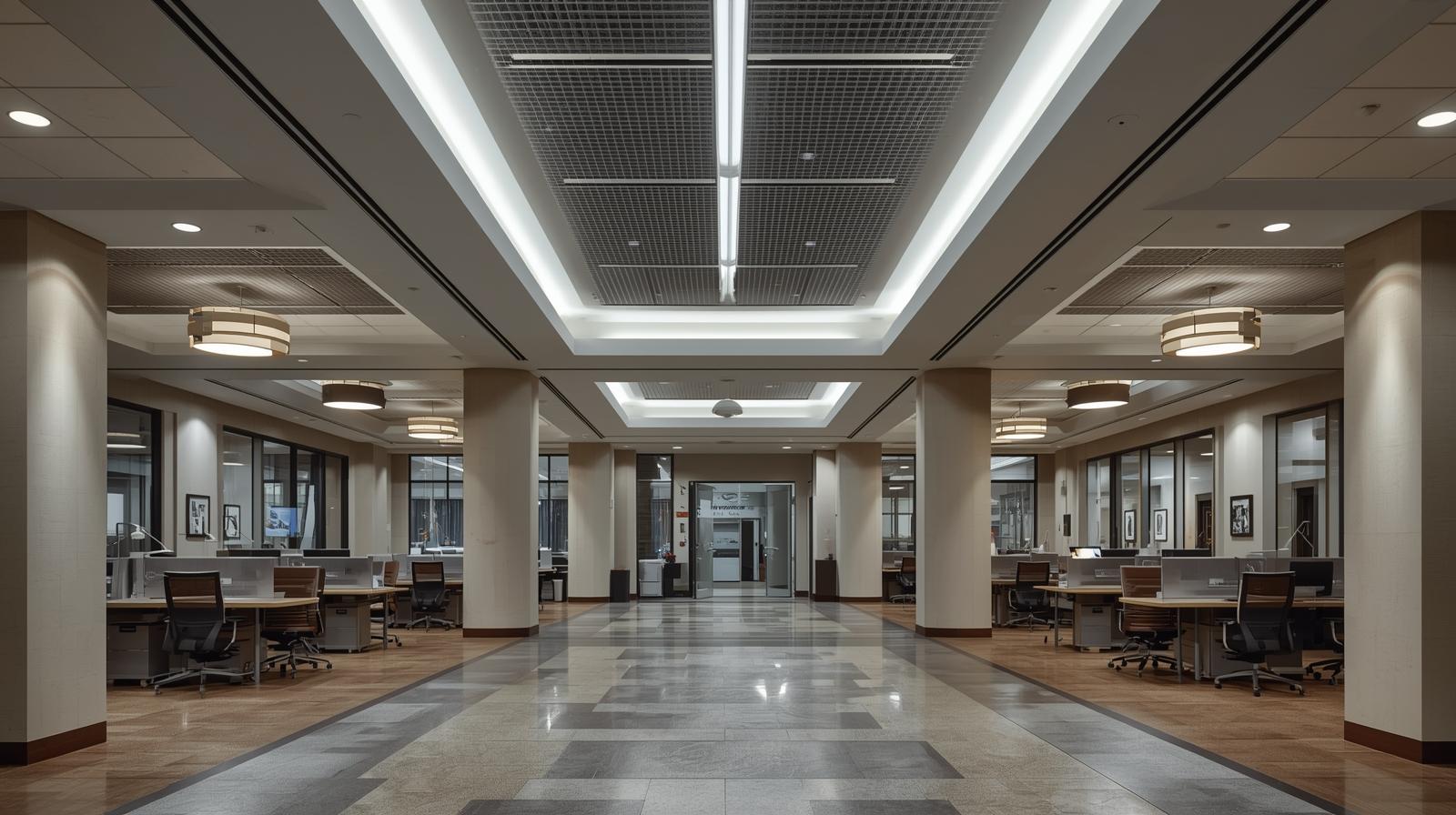
Sunset slides later on the clock while many interior schedules still assume winter darkness at five. That mismatch shows up as lobby scenes that looked fine at commissioning yet feel dim during real occupancy, or as parking lamps that burn early while crews are still on site. April is a practical month to walk circuits after normal hours without the July heat that makes roof access miserable. This guide supports facility and engineering teams across the Southeast who want a calm electrical sweep tied to how people actually move—not only to a sticker inspection list filed and forgotten.
Garrett Mechanical provides commercial electrical service alongside HVAC and plumbing in existing buildings. Pair this walk with ROI thinking for LED lighting in commercial spaces when leadership wants savings language, and with emergency exit lighting monthly checks when life safety circuits share panels with general lighting loads you are adjusting.
Walking the paths people use after the lobby looks empty
Walk the public path from garage to desk, then the path a late cleaning crew uses, then the path security patrols. Note where scenes switch too early, too late, or not at all. Photograph switch legs and panel directories only if your safety policy allows, but always write down which floor and which zone name appeared on the control head end when something looked wrong.
Controls that looked clever during design sometimes fight real partitions and furniture. April is a good month to admit those mismatches and schedule programming time before summer events fill the calendar. Label the last change date on scene edits; future you will not remember which vendor touched which head end.
Match exterior color temperature to security needs when cameras matter: cooler sources sometimes read brighter on video, yet glare can worsen for drivers. Small notes in the work order prevent security tickets from blaming electrical work that was only trying to save kilowatts.
Photocells, time clocks, and the drift you feel before the meter proves it
Photocells age with film, orientation, and nearby construction glare. A sensor that worked beside a low hedge may misread after new signage reflects light upward. If exterior zones snap on while the sky still looks bright, log it. If they never turn off after dawn, log that too. Time-based overrides should be temporary, yet they often linger for months until someone asks why the bill changed.
When you adjust exterior schedules, confirm that changes do not starve camera lighting or access control readers on the same branch. Spring sunset drift is gradual; a one-time override from winter can look like equipment failure in April if nobody removed it.
Generator exercise season overlaps this window. Weak batteries tied to lighting control power often show up during transfer tests, not during a casual Tuesday walk. Verify exercise logs when your policy allows and attach dates to the same folder you use for night sweep photos.
What to record near panels without crossing your safety policy
You are not asked to open energized gear beyond your policy. You are asked to notice odors, buzzing breakers, or warm handles reported by authorized staff. Those observations belong in the same April sweep as lighting because summer adds continuous cooling load next door in the electrical room.
If your site schedules depth work, attach night walk notes to the mindset in commercial electrical safety inspections so technicians see drift before it becomes a trip. Route recurring trips and directory mismatches toward panel and breaker issues language in the work order, not toward another scene tweak that hides the limit.
Gateways, firmware, and the week scenes revert quietly
Connected gateways sometimes reboot after vendor pushes. If scenes revert to factory defaults, occupants notice before your help desk does. April is a practical month to confirm firmware release notes against what is installed, and to export a programming backup when the vendor still has last fall’s file names.
Keep IT in the loop when lighting gateways share VLANs with guest WiFi. Segmentation requests belong in the same work order as physical sweeps when electricians are already opening panels. Cosmetic fixes through lighting repair and replacement should follow a written scene list so you do not solve driver issues twice on different tickets.
Exterior gear after pollen, washing, and small grade changes
Building washes can force water into gasket gaps on pole fixtures and wall packs. If grounds trip only after maintenance events, log weather and vendor activity. Photocell failures after washing sometimes trace to film rather than to dead electronics.
When landscapers raise bed soil against building bases, verify that conduit entries still drain and gasketed fittings are not buried. Small grade changes cause corrosion stories by August. Pollen film on lenses can mimic dim LEDs; clean and log before you assume drivers failed.
Mechanical startups sometimes need temporary lighting on different circuits. Note which panels fed those cords so June does not inherit mystery loads. Share schedules between trades when economizer work and electrical testing share the same roof week.
When licensed electrical support is the right call
Call when scenes cannot be recovered after a power bump, when breakers trip on lighting loads that did not change, when you smell hot plastic near a panel, or when emergency units fail a monthly quick test. Those are reasonable triggers for electrical troubleshooting rather than another reset performed from habit alone.
Document what changed in the week before the trip—vendor wash, landscape grade work, firmware push, or mechanical startup cords on a panel you do not usually open. That timeline is often the difference between a targeted fix and a second visit that repeats the same questions. Store night sweep photos next to panel directory photos so May dispatch does not rebuild context from scratch.
Contact Garrett Mechanical with building addresses, panel names if known, and photos of control head ends when safe to capture. Clear context shortens the first visit and keeps April night sweeps from turning into summer surprises your occupancy calendar cannot absorb.