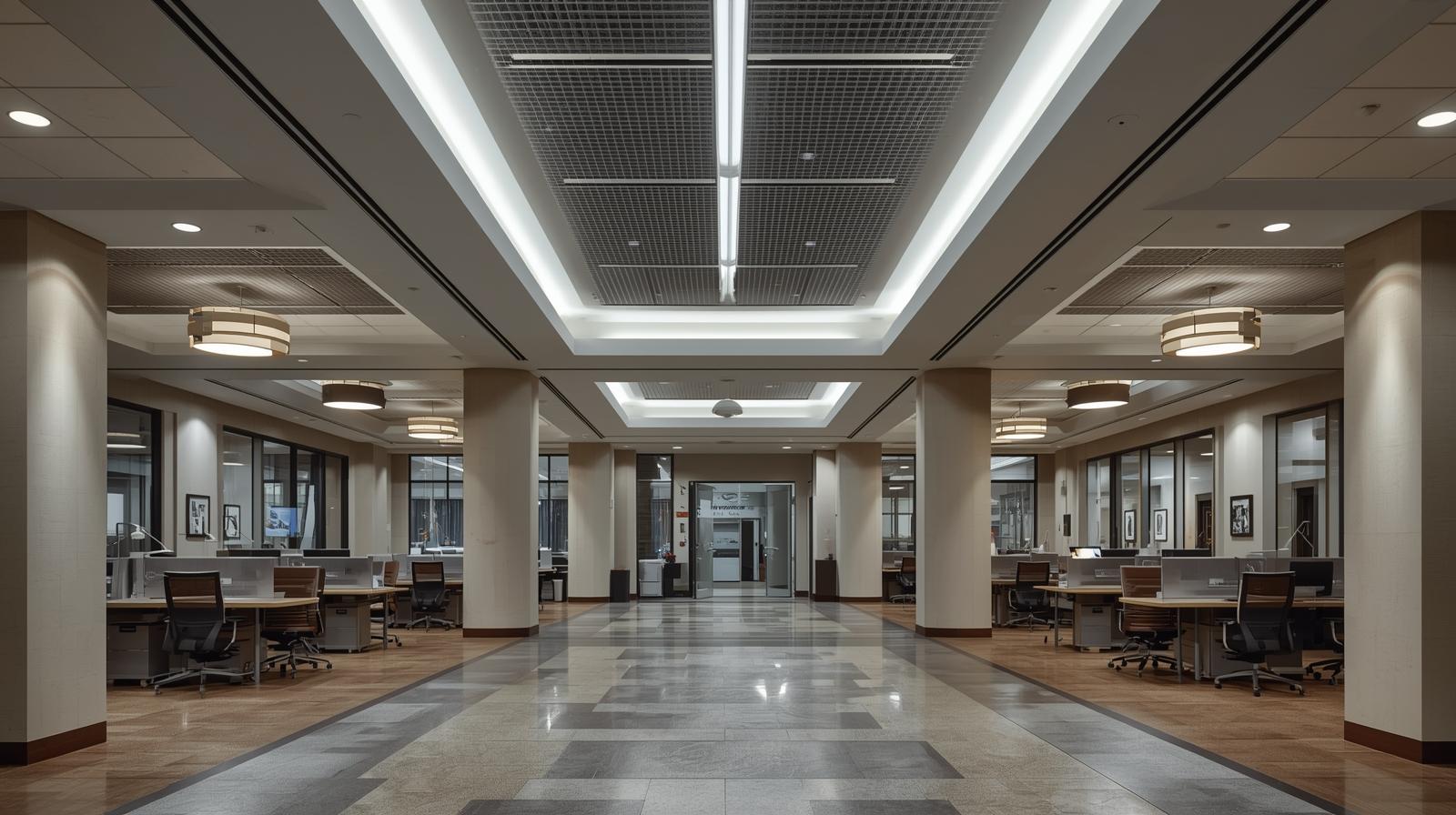
Calculate the cost savings and environmental benefits of switching to energy-efficient LED lighting.
LED lighting has revolutionized commercial lighting, offering significant energy savings, longer lifespans, and better quality light. Understanding the return on investment helps facility managers make informed decisions about lighting upgrades.
Energy Savings
LED lights use 50-75% less energy than traditional incandescent or fluorescent lighting. For a typical commercial facility:
- Annual energy savings: 50-70%
- Reduced cooling costs (LEDs produce less heat)
- Lower demand charges on utility bills
Longevity and Maintenance
LED fixtures last significantly longer than traditional lighting:
- LED lifespan: 50,000-100,000 hours
- Traditional fluorescent: 10,000-20,000 hours
- Reduced replacement frequency
- Lower maintenance labor costs
Additional Benefits
- Better Light Quality: Improved color rendering and consistency
- Instant On: No warm-up time required
- Dimmable Options: Further energy savings through dimming
- Environmental Impact: No mercury, reduced carbon footprint
- Rebates: Many utilities offer rebates for LED upgrades
Calculating ROI
Typical payback periods for LED upgrades:
- Simple replacements: 1-3 years
- Complete system upgrades: 2-5 years
- With utility rebates: Often under 2 years
Implementation Strategy
Consider a phased approach:
- Start with high-usage areas (parking lots, warehouses)
- Replace fixtures as they fail
- Plan complete system upgrades during renovations
- Take advantage of utility rebate programs
Total Cost of Ownership
While LED fixtures have higher upfront costs, the total cost of ownership over 10 years is typically 30-50% lower than traditional lighting due to energy savings and reduced maintenance.
LED lighting upgrades represent one of the best ROI opportunities for commercial facilities, combining immediate energy savings with long-term operational benefits.