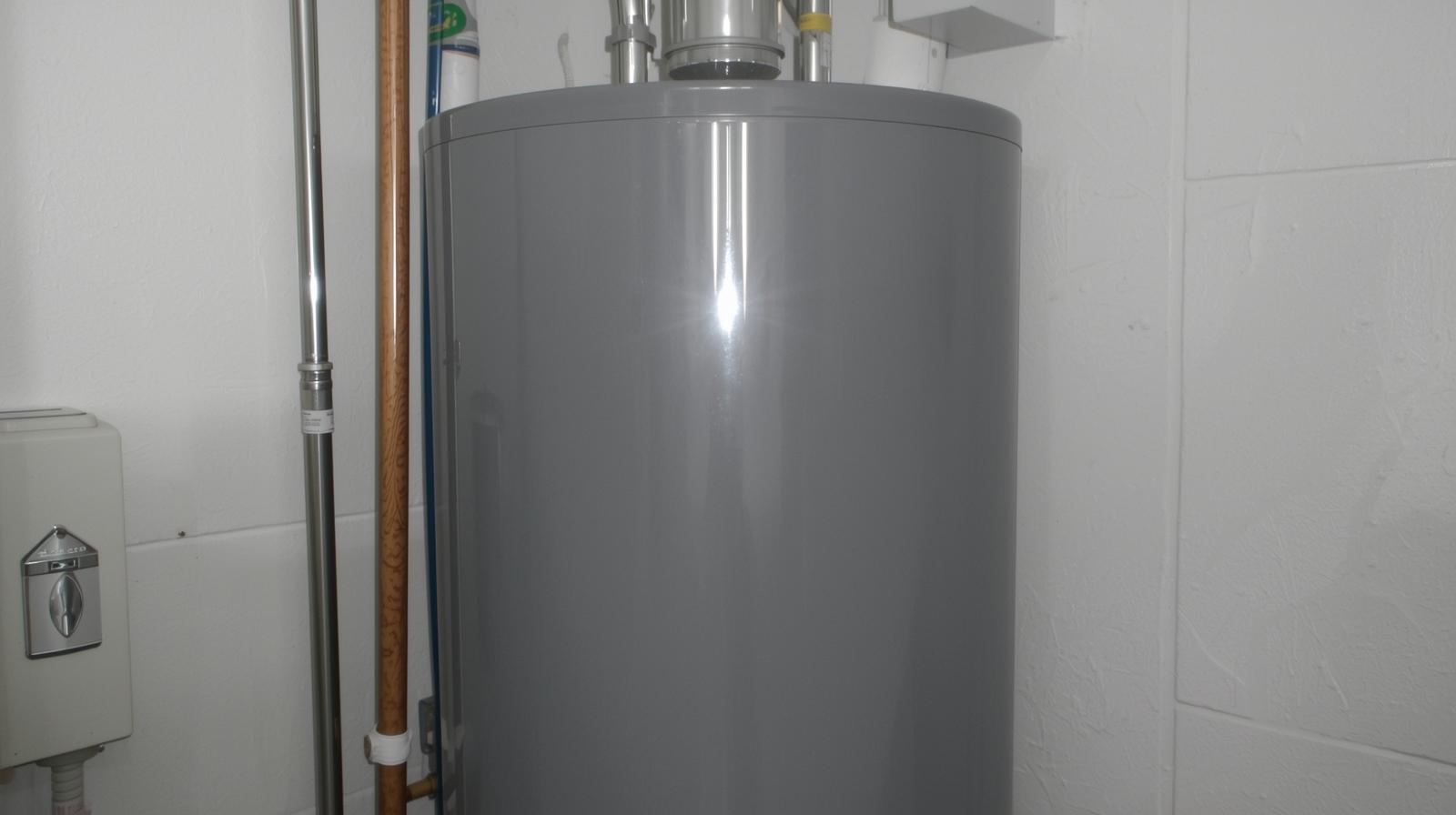
May is when restrooms and locker rooms start to feel like summer even if the calendar still says spring. Facility teams win when domestic hot water stories are boring: temperatures stay within your program, mixing valves behave predictably, and flush discipline survives the first heat wave without a surprise discovery day. This guide is for property and engineering staff who need a practical readiness pass across the Southeast—not a lecture on water heaters, but a sequence you can hand to leadership when occupancy and events stack on the same week.
Garrett Mechanical supports existing buildings through commercial plumbing and water heater troubleshooting. If complaints might be mechanical, plumbing, or mixed, start with the early May facility first path quiz so this pass lands on the correct owner. If people are scalded, flooding is active, or you smell fuel gas, pause and follow your emergency plan first.
Mapping how hot water is actually made on your property
Some buildings centralize heaters with mixing stations. Others stack unit heaters per floor or lean on steam converters you rarely see on the single line. Write the plain-English version in three sentences: where water is heated, how it is blended before fixtures, and who is allowed to change setpoints. Attach vendor names and contract numbers so a Friday afternoon call does not start with a search through old email threads.
Compare that narrative with water heater maintenance best practices so internal logs match language technicians expect when they arrive with gauges and history. If April work already happened, note what changed since then—new fixtures, altered recirculation, or a temporary bypass nobody removed.
Campus properties should list which buildings share a plant versus which stand alone. Dispatch confusion on large sites is expensive; one sentence in the ticket about meter and plant location prevents the right crew from standing in the wrong mechanical room.
Two weeks of draw and temperature habits that earn their keep
Readiness only helps when someone responsible signs off with dates. Capture peak draw windows, complaints that mention warm-then-cold behavior, and mixing valve position notes your BAS or local gauges can support without opening gear beyond your policy. If flush schedules exist, log when they last ran and who witnessed completion.
When leadership asks why May matters, explain that summer events and higher cold-water inlet temperatures change how the same heater feels at the tap. You are not promising failure dates. You are showing discipline that reduces overtime and tenant noise later in the year.
Pair this sheet with April commercial water heater rhythm if you already started logging in late spring—May should extend the story, not restart it from memory.
Restrooms, drains, and moisture you should not mislabel
Slow drains and partial restrictions show up louder when occupancy rises. Use commercial restroom drain patterns as a script for timing maps and odor language licensed plumbers can reuse. If mechanical rooms show moisture, photograph source paths without guessing whether the story is condensate, packing, or domestic line weep.
If finance wants a parallel risk story, keep water damage prevention framing in the same packet so capital and operations read one narrative. Active leaks belong in leak detection and repair language with honest access windows, not in a vague humidity ticket that sends three trades to the same corner.
Recirculation, pumps, and the noise people blame on the heater
Constant pump run, hunting mixing temperatures, and gurgling in returns often trace to recirculation balance rather than a failed burner. Note whether complaints follow one loop or the whole building. If only the far wing struggles, bring branch length and fixture count into the packet instead of assuming the central plant failed.
April flush or blowdown work should appear in the same log as May temperature habits so vendors do not repeat discovery steps you already paid for. When steam or glycol appears anywhere in the plant description, say so up front so the right technician is scheduled the first time.
Vendor scope that matches shutdowns you can grant
Read plumbing service scope before you invite vendors so your request lists heaters, mixing assemblies, and recirculation pumps you want included, plus rooms that stay off limits until a shutdown window exists. Attach May event calendars so proposed dates survive real occupancy instead of being moved three times.
If electrical rooms share tight access with plumbing mains, mention coordination up front. Multi-trade coordination helps one sequence instead of three trucks debating who goes first in the service corridor. List which corrections can happen occupied and which need after-hours labor so quotes match how your building actually runs.
Closing the loop before the first graduation weekend
Store photos, vendor PDFs, and signed checklists in the folder your insurer or corporate auditor already expects. Add a short cover memo that states what changed since last May and what you deferred on purpose with a date to revisit. Deferred work reads better as a conscious choice than as a mystery gap.
Note which fixtures were added since last summer and whether any bypass or temporary hose is still in place from spring maintenance. Those items are easy to forget yet they change draw patterns the day a tour walks restrooms. If your policy tracks legionella or scald prevention, align temperature logs with who is allowed to adjust mixing assemblies so May documentation matches what auditors will ask for in August.
When several buildings share a plant, attach a simple diagram or room list to the packet so plumbers do not spend the first hour confirming which loop serves which wing. The goal is not a perfect drawing; it is a dispatch packet that survives staff turnover between now and the first heat wave.
When you are ready for field help, contact Garrett Mechanical with building address, normal hours, mechanical room access notes, and the top three questions this guide surfaced. Clear context respects your programs and the real geography of the property—especially when one coordinator covers several sites and summer demand arrives on the same calendar as storm season.