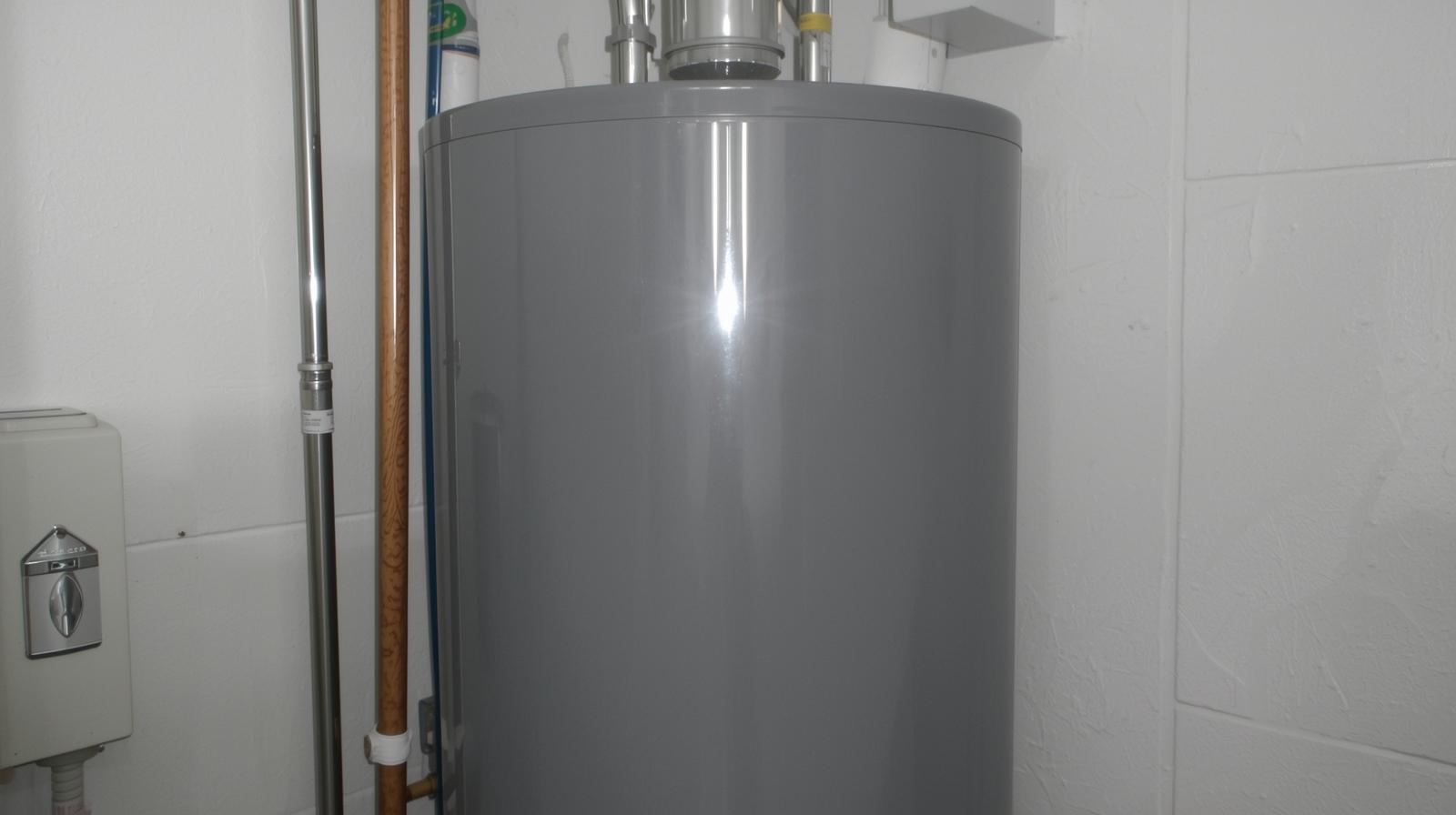
Kitchens, locker rooms, and process lines lean harder on hot water once spring occupancy returns and outdoor events creep back onto the calendar. April in the Southeast is still mild enough to open access panels without roasting technicians, yet late enough that last winter’s operating habits often no longer match today’s actual draw. This article is for property and facility teams who want a structured look at commercial water heating before the first sustained summer demand week—not a generic reminder to check the heater, but a rhythm you can defend in the CMMS when leadership asks why May matters.
Garrett Mechanical supports commercial plumbing alongside HVAC and electrical work in existing buildings. Pair this note with water heater maintenance best practices for the longer playbook, and with backflow testing basics when domestic water protection belongs in the same spring scope.
Draw patterns your nameplate will not explain
Rated gallons per hour rarely matches how your building actually uses hot water between eight and ten in the morning. Pull simple logs from cafe leads, housekeeping supervisors, or athletic staff: when peaks stack, how long they last, and which floors complain first when something slips. If you cannot meter, a two-week diary of trouble calls still shows what is going on a service visit can confirm.
When complaints cluster after large events or tourism weekends, say so on the work order. Seasonal load is different from steady office load, and mixing valve strategy should reflect that reality. Portfolio teams that note event calendars in April avoid arguing in July about whether the heater was always undersized or simply never sized for graduation weekend.
Cold inlet temperature changes through spring even when occupancy feels stable. The same stored temperature can feel different at the tap as groundwater warms. Log inlet context when you can; it helps plumbers separate mixing issues from recovery issues without another discovery day.
Mixing, scald risk, and temperature that will not hold steady
Tempering valves protect occupants while stored water may sit at temperatures your water management policy already defines. If hand sinks swing hot then lukewarm within seconds, or if showers in athletic spaces never feel steady, technicians need to verify sensor placement, cartridge condition, and whether recirculation pumps match the current layout—not only whether someone bumped a dial.
Treat mixing issues as more than comfort. They often signal return paths, check valves, or balance settings that drifted since commissioning. When hot and cold behavior seems linked to pressure swings, read commercial restroom drain patterns alongside heater notes so one vendor does not chase drains while another chases temperatures on the same branch.
Document who is allowed to change setpoints and where keys live. April is a practical month to align access with policy before summer interns and event vendors add informal adjustments you only discover through complaints.
Sediment, flush discipline, and what your eyes can record
Sediment builds quietly in tanks and on electric elements, then announces itself as noise, longer recovery, or tripped safety devices. Align flush or blowdown steps with vendor visits so drains are not opened casually during occupied peaks. If your policy requires documented water management, photograph discharge clarity the way you photograph intake screens on the HVAC side.
Match flush frequency to water hardness and steam use at your site—copying a neighbor building’s calendar is a common way to waste effort or miss risk. Label isolation valves so winter hands and summer hands are not guessing in a crowded mechanical room. Plan recirculation pump checks; dead-heading pumps waste energy and erode gaskets while making temperature complaints look like heater failure.
Relief valve weep beyond normal test drips, constant pump run, and recovery that grows week over week are reasonable triggers for water heater troubleshooting rather than another reset from memory alone.
Renovations that added fixtures without adding capacity conversation
Cafes, tenant improvements, and locker remodels often add lavatories without revisiting heater sizing. If pressure falls when multiple fixtures run, note which floor and which time of day. That pattern helps plumbers decide whether the limiter is heater recovery, a partially closed isolation valve, or undersized branch piping that only appears under real simultaneous use.
Attach simple counts of new fixtures to the work order. Even rough numbers beat silent expectations that original equipment should serve modern density without conversation. If your campus keeps one after-hours number for all trades, add which meter serves the troubled building and whether the issue is domestic only or also tied to hydronic loops—one sentence prevents the right plumber from being sent to the wrong address on large sites.
Photos and notes that shorten the first visit
Nameplate photos, mixing valve tags, and pump labels save return trips. List the last date anyone drained expansion tanks or verified glycol on campus loops if your site uses them. Freeze events in edge markets can shift diaphragm behavior months later when temperatures swing.
If domestic hot water is generated centrally and distributed through tunnels, mention steam trap maintenance windows in the same request so underground work does not collide with daytime occupancy peaks. Mechanical rooms share ventilation and access with cooling equipment; when April already hosts startup visits, stack water heater checks in the same window when safe. The spring commercial HVAC startup checklist helps sequence trades without turning the schedule into a corridor traffic jam.
When licensed plumbing support is the right next move
Call when recovery time grows week over week, when mixing valves hunt, when relief valves weep beyond normal test drips, or when domestic hot water pumps run constantly. Route active leak paths through leak detection and repair language when moisture is visible, and keep broader scope on plumbing service honest about access and shutdown windows.
Contact Garrett Mechanical with meter locations, recent temperature printouts if you have them, and renovation notes that added fixtures or altered branch lines. Clear context beats a ticket that only says no hot water when your team is trying to protect occupancy through the first real summer draw week.